
Reviewed · CHICAGO ARCHITECTURE TOURS
Chicago: Architecture & True Crime History
Chicago’s buildings have plenty to say about ambition and style. This 90-minute walk gives them a darker voice, too, pairing Beaux Arts elegance, Art Deco, and Modernist design with tales of murder, corruption, and scandal, including stories of John Wayne Gacy and H. H. Holmes.
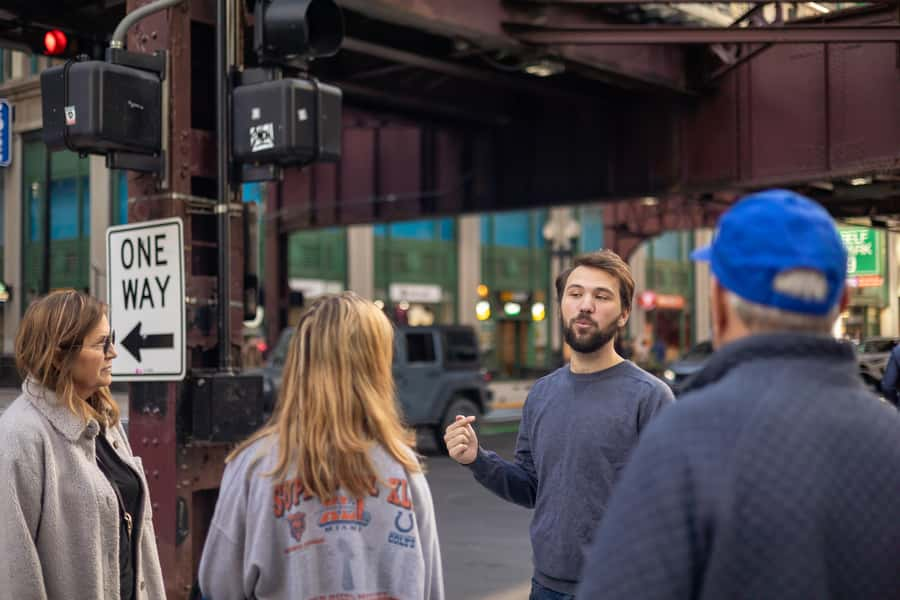
I like two things about this mix: you get architecture and crime history in one outing, and local guides bring a personal interest in both subjects. Joseph has led the tour, and one guide adapted the ending when thunderstorms rolled in.
The main consideration is that this is a short walking tour, not a grand survey of Chicago architecture. You meet downtown, and there is no hotel pickup or drop-off, so allow time to reach the Palmer House.
- Architecture meets true crime: Explore Chicago’s buildings alongside stories of killers, corruption, and scandal.
- Inspired by The Devil in the White City: The tour links the city’s architectural image with its darker past.
- Local guides lead the walk: Guides bring interests in Chicago history and true crime, with Joseph among those who have led it.
- A compact 90 minutes: The tour fits neatly into a morning or afternoon.
- A downtown meeting point: Find the group under the Palmer House canopy on the Wabash side, beside Poké Poké.
- A weather-aware guide: The route’s ending has been adjusted when thunderstorms made plans impractical.
Chicago’s polished facades, and the stories behind them
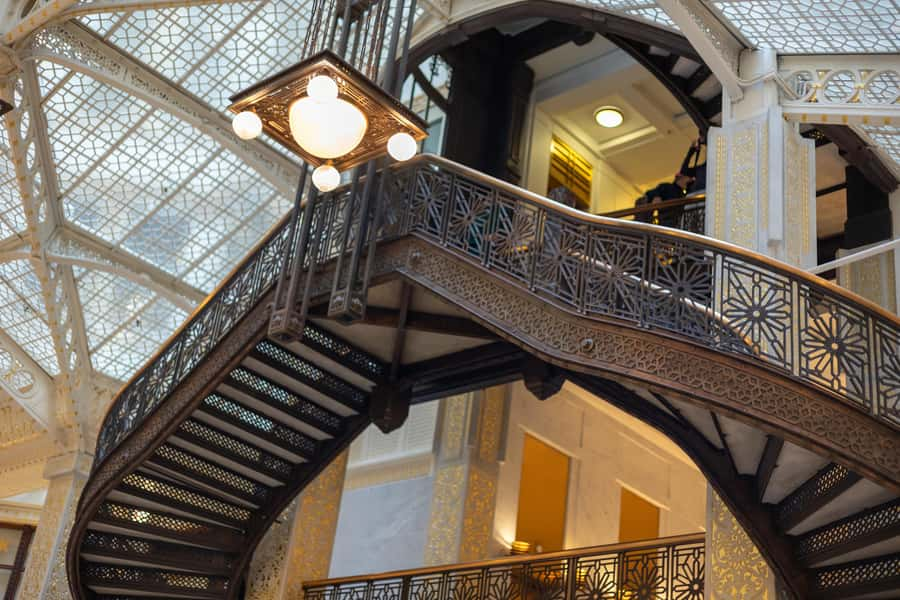
Chicago’s architecture is often presented as a story of ingenuity and bold design. This tour adds another layer: the buildings and streets are also part of a city shaped by crime, corruption, and scandal. The contrast is the point. You look at the city’s beauty while hearing about the darker history attached to its name.
The tour draws inspiration from The Devil in the White City, which connects Chicago’s architectural ambition with the crimes of H. H. Holmes. The experience also covers better-known crime stories, including Gacy, alongside lesser-known tales. That range should suit you if you want more than a retelling of the headline cases.
I like the idea of using architecture as a way into local history. A building’s style can tell you something about the image a city wanted to project, while the stories around it can complicate that image. You get two subjects in one walk, rather than having to choose between an architecture tour and a crime tour.
Starting beneath the Palmer House canopy
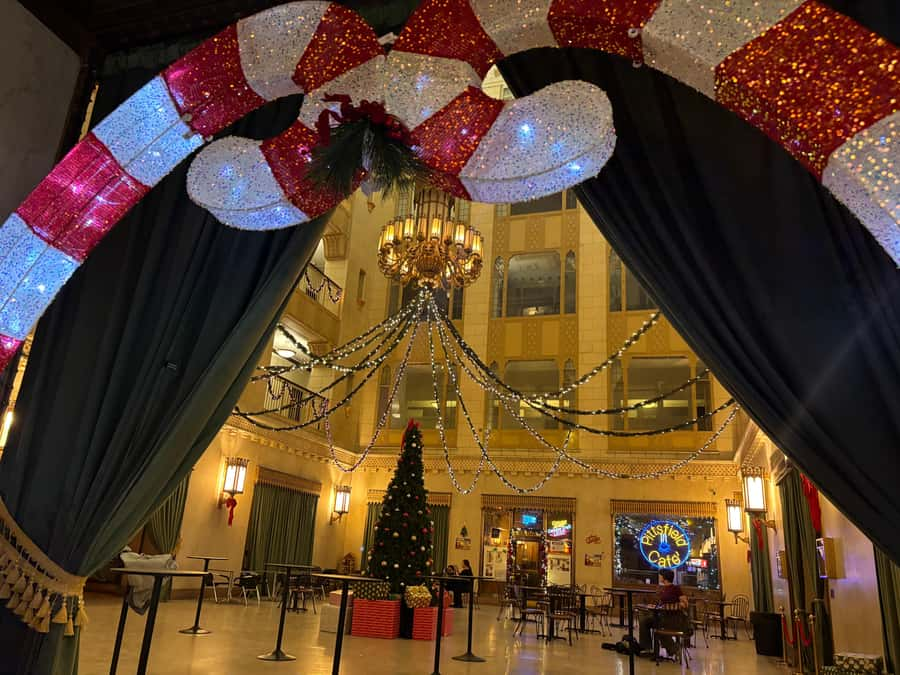
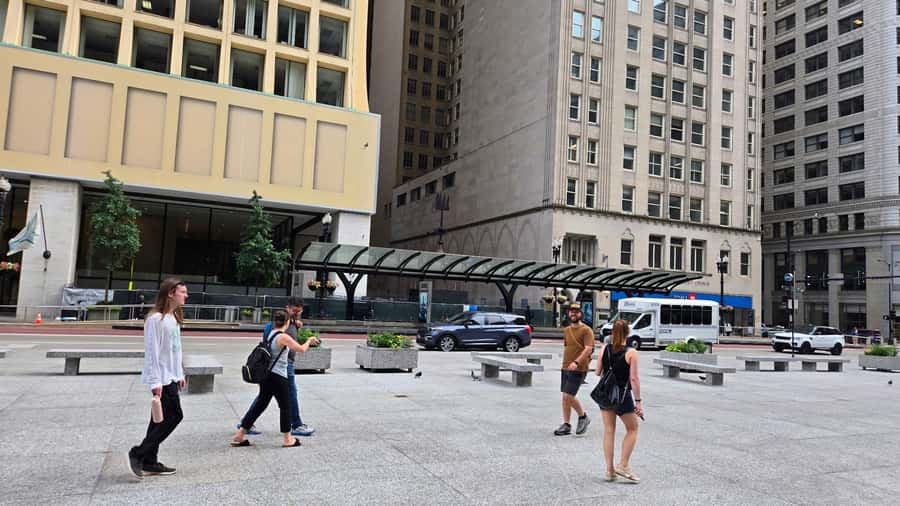
The meeting point is beneath the Palmer House canopy on the Wabash side, right next to Poké Poké. It is a specific downtown landmark, but it still pays to check which side of the building you need before you set off. If you arrive early, you can confirm the canopy and restaurant rather than trying to spot a group from the wrong corner.
The meeting point also gives the tour a fitting starting note. The experience is about Chicago’s buildings as much as its criminal history, and the Palmer House location puts you among the city’s prominent architecture before the walk begins. The tour information does not specify a list of stops, so don’t plan your day around particular buildings unless you confirm them with the operator.
There is no hotel pickup or drop-off. You need to make your own way to the meeting point, and the activity is a walk rather than a vehicle tour. That makes it easy to pair with other downtown plans, but it also means sensible shoes and a little buffer time are useful.
More architecture tours around Chicago:
- Chicago Architecture River Cruise
★ 5.0 · 15,756 reviews - Chicago River 90-Minute Architecture Tour
★ 4.5 · 9,629 reviews - Chicago River: 1.5-Hour Guided Architecture Cruise
★ 4.8 · 8,046 reviews
How the 90-minute walk balances two subjects
The walk lasts about an hour and a half and is usually offered in the morning and afternoon. Its central challenge is fitting two substantial topics into a compact outing: Chicago’s architecture and the city’s true crime history. Instead of treating either as a quick aside, the guide connects the stories as the group explores the city.
You can expect to hear about architectural styles that include Beaux Arts, Art Deco, and Modernist design. The exact buildings and order of stops are not specified, so think of this as a guided introduction rather than a promise to visit a fixed checklist of landmarks. That flexibility can make the stories feel connected to the places around you, though it leaves less room for planning around a particular building.
The crime material ranges from famous names such as Gacy and Holmes to lesser-known accounts. That variety is a plus if you already know the basic headlines and want a broader sense of the city’s darker past. The tone is described as thrilling and informative, but the subject matter is murder and scandal, not light sightseeing.
Reading Beaux Arts, Art Deco, and Modernist Chicago
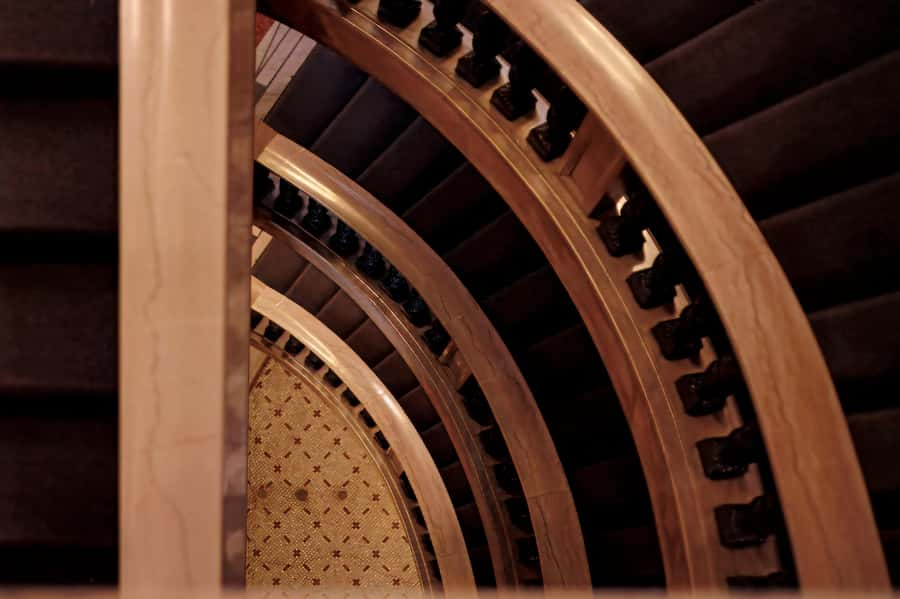
The architectural styles named for the tour offer a useful framework, even if you are not an architecture specialist. Beaux Arts suggests formal elegance, Art Deco brings a bolder decorative language, and Modernist design takes a different, sleeker approach. A guide can help you notice distinctions you might otherwise walk past while focused on traffic, directions, or your phone.
I like that the tour does not ask you to treat architecture as decoration alone. Buildings frame the city’s stories, and the guide uses them to open up a conversation about Chicago’s personality and past. That approach can be more memorable than hearing a list of dates and styles with no human story attached.
Still, the tour’s short length means it cannot be a full architecture course. If your main interest is detailed design history, or you want to see a wide range of buildings from the water, a dedicated architecture cruise may suit you better. This walk is strongest for people who want architecture as one half of a lively, unusual city history lesson.
Crime stories beyond Gacy and Holmes
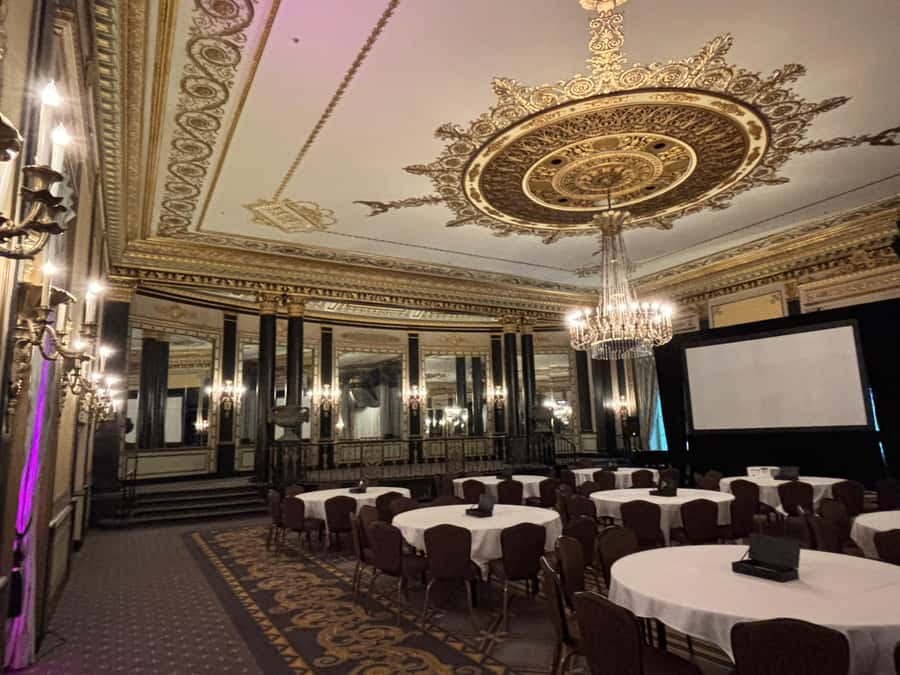
Gacy and Holmes are familiar names in American crime history, and their presence gives the tour an immediate hook. But the experience also promises lesser-known stories, which matters if you have already read about the most famous cases. The aim is not just to list crimes, but to show how they sit alongside the city’s buildings and broader history.
The Devil in the White City connection gives the tour a clear theme: a city can be celebrated for its architecture while holding a much more troubling past. That contrast makes the experience appealing to readers of the book, but you do not need to have read it to follow the tour. The subject is introduced through Chicago itself.
True crime is not for everyone. If you prefer a strictly architectural focus, the crime content may take up more of your attention than you want. If you enjoy both topics, the combination can make the walk feel less like two separate mini-tours and more like a single, layered look at the city.
More gangster tours around Chicago:
- Chicago: Gangsters and Ghosts Walking Tour
★ 5.0 · 7,155 reviews - Chicago Crime and Mob Bus Tour
★ 4.5 · 3,186 reviews - Chicago: Gangsters and Ghosts Guided Walking Tour
★ 4.7 · 1,697 reviews - Chicago: Mob and Crime Bus Tour
★ 4.4 · 859 reviews
What local guides add to the experience
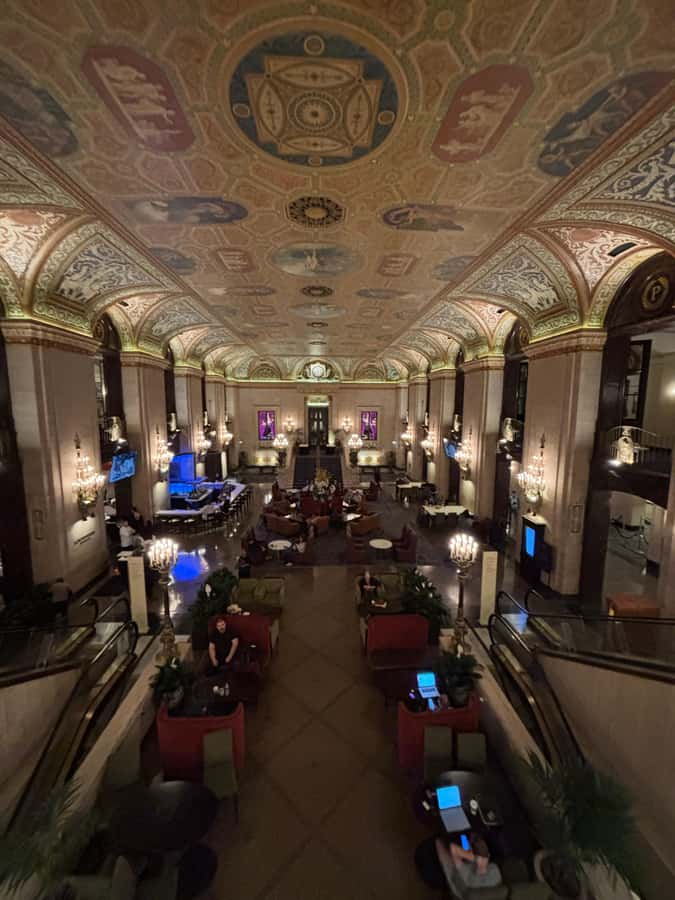
The guide is the main reason this format can work. The tour is led by Chicago locals who are history buffs and true crime enthusiasts, bringing personal interest to subjects that could otherwise turn into a string of grim facts. The guide’s storytelling is central: the buildings give the tales a setting, and the tales give the streets a human dimension.
Joseph has led the walk, and one attendee described him as personable and flexible as well as well informed about Chicago. Another guide was praised for the way she told the stories. These details point to what you should value most: not just information, but a guide who can hold your attention and make the material easy to follow.
Guides can differ, of course, and the person leading your departure may not be Joseph. What you can expect from the tour’s design is a guide whose interests span local history and true crime. If you enjoy asking questions and hearing a story told with enthusiasm, that human element is likely to be a major part of the appeal.
Weather, walking pace, and practical expectations
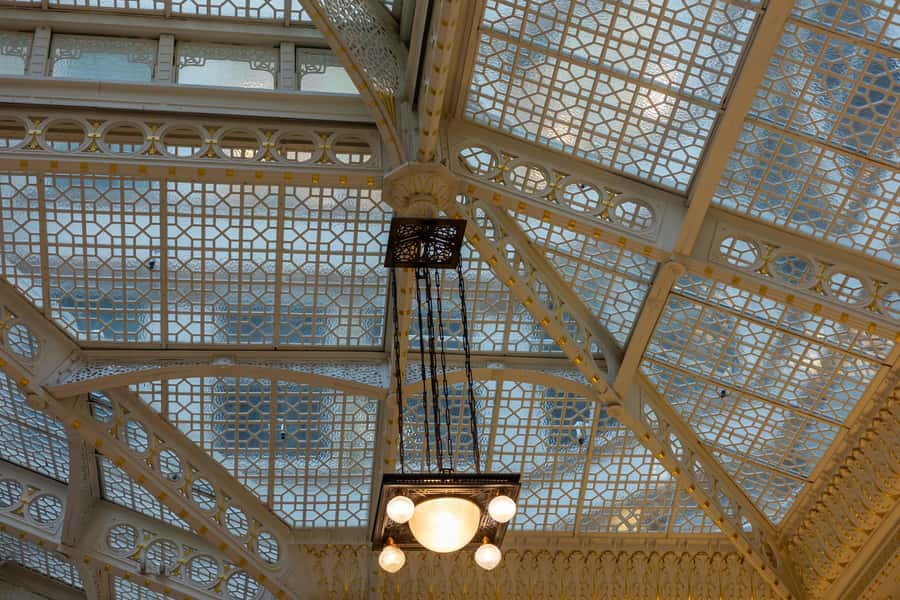
The tour is a walk, so dress for the weather and wear shoes you are happy to use for 90 minutes. The route’s exact distance, walking pace, and accessibility details are not provided. If you have a specific mobility concern, ask the operator before booking rather than assuming the route will suit your needs.
Weather can affect the outing. A guide has adjusted the ending during thunderstorms, which suggests some flexibility when conditions turn poor. It does not guarantee that every route can be changed, so keep an eye on the forecast and bring appropriate layers or rain protection.
English is the listed language, and the guide leads the tour live. Morning and afternoon departures are usually available, giving you room to fit the walk around a museum visit, meal, or other plans. Since the outing is only 90 minutes, it works well as a focused block of time rather than a full-day commitment.
Is $35 a fair price for this Chicago walk?
At $35 per person, the value depends on whether you want both subjects. You are paying for a guided 90-minute experience that combines architecture with local crime history, led by a guide whose interests match the theme. If you would otherwise book two separate tours, this format may be an efficient way to get a taste of each.
The price is less compelling if you want an in-depth architectural survey, a long crime tour, or a specific landmark route. The experience is concise, and the exact buildings and stop-by-stop itinerary are not specified. You are buying a guided narrative and a blend of topics, not a guaranteed list of interiors or named sites.
Compared with a river architecture cruise, this tour gives you a walking perspective and the added crime-history thread. A dedicated crime walk may give that subject more time. Choose this one if the combination itself is the draw, and you want a compact introduction with a local guide.
Who should book this tour
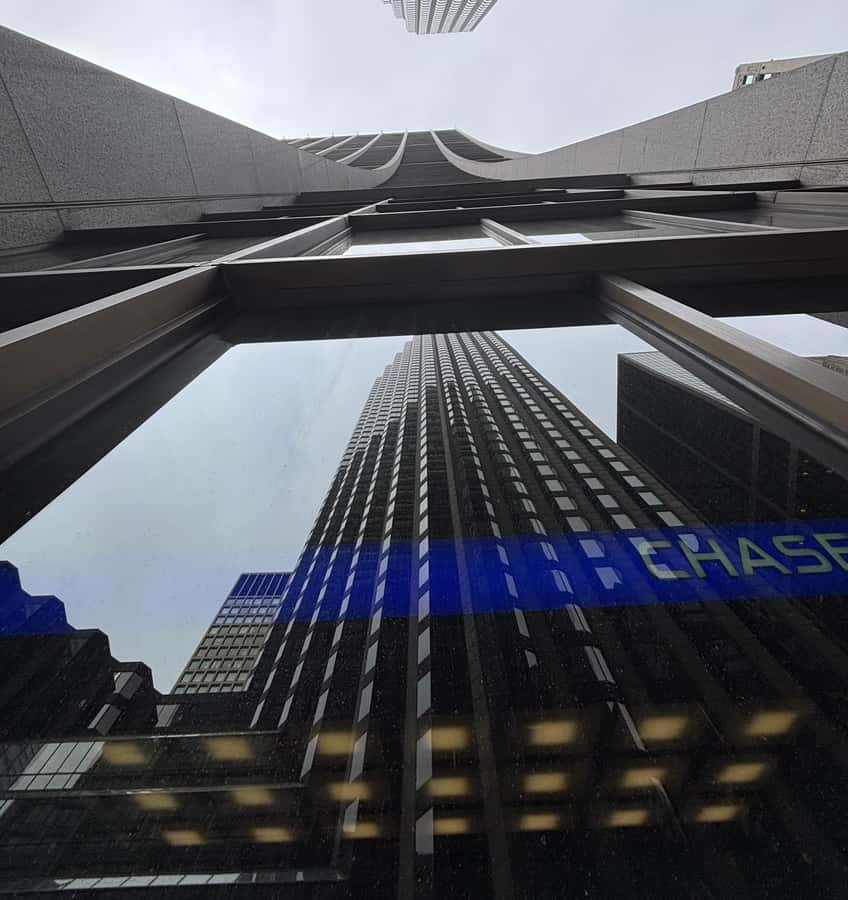
I’d recommend this walk to curious visitors who enjoy architecture but do not want a conventional design lecture. It also suits true crime fans who want the stories placed in a broader city context, rather than hearing only case details. If you have read The Devil in the White City, the inspiration will feel familiar, but the tour is not limited to the book’s central story.
It may be a poor fit for young children or anyone who prefers to avoid murder and violent crime. The tour’s main subjects are not softened into a family activity, and the supplied details do not describe it as family-friendly. For a purely visual introduction to architecture, consider a cruise instead; for a longer crime-focused outing, compare a dedicated crime walk.
Booking is flexible: you can reserve without paying immediately, and cancel up to 24 hours in advance for a full refund. That is handy if your plans are still shifting, but the practical decision is simpler: book if the mix of striking buildings and unsettling history sounds more interesting than either subject on its own.
FAQ
How long is the Chicago Architecture & True Crime History tour?
The tour lasts 1.5 hours.
Where is the meeting point?
Meet beneath the Palmer House canopy on the Wabash side, right next to Poké Poké.
What language is the tour in?
The live tour guide speaks English.
What is included in the price?
The tour includes a history buff and true crime enthusiast guide.
Is hotel pickup or drop-off included?
No. Hotel pickup and drop-off are not included.
What kinds of stories does the tour cover?
The tour covers Chicago architecture and true crime, including stories of Gacy and Holmes as well as lesser-known tales. It is inspired by The Devil in the White City.
Can I cancel for a refund?
Yes. You can cancel up to 24 hours in advance for a full refund.
More history tours around Chicago
- Chicago in a Day: Food, History & Architecture Walking Tour
★ 5.0 · 1,153 reviews - Chicago: Field Museum of Natural History Ticket or VIP Tour
★ 4.7 · 717 reviews - Field Museum of Natural History Admission Tickets
★ 4.5 · 489 reviews - Chicago Walking Tour: Historic Treasures of Chicago
★ 5.0 · 362 reviews
Just added around Chicago
- Travel between Chicago O’Hare and Madison★ 4.5 · 4 reviews
- Walking Tour: Historic Chicago Pubs in River North and the Loop★ 5.0 · 9 reviews
- Verse Immersive Holographic Theater in Chicago★ 4.5 · 28 reviews
- Private Transfer from Chicago Airport (ORD)★ 3.5 · 3 reviews
- Professional Photo Shoot in Chicago★ 4.5 · 8 reviews
- The Devil in the White City: A Haunting History Tour★ 4.5 · 17 reviews
- 2 Hour Chicago Landmarks & Lakefront E-Bike Tour★ 5.0 · 4 reviews
- Chicago Scavenger Hunt Adventure★ 5.0 · 5 reviews
Chicago Architecture Tours, compared.
Chicago River: 1.5-Hour Guided Architecture Cruise
Read our review →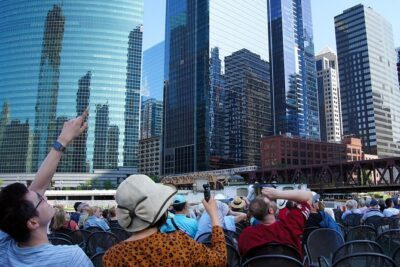
Chicago Architecture Center River Cruise aboard First Lady
Read our review →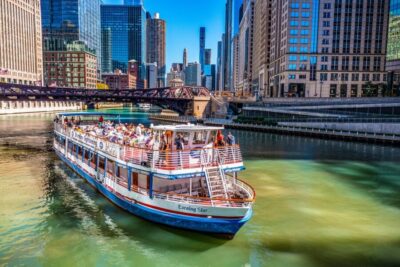
Architecture River Cruise Skip-the-Ticket Line
Read our review →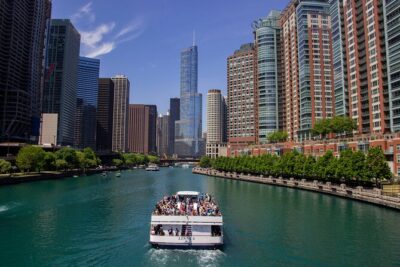
Chicago River 45-Minute Architecture Tour from Magnificent Mile
Read our review →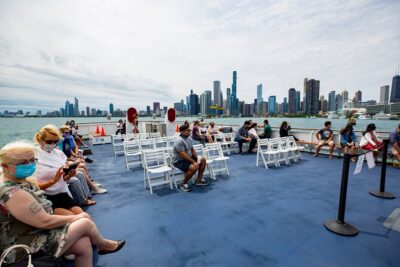

45-Minute Family-Friendly Architecture River Cruise
Read our review →Browse the lists this tour appears in