
Reviewed · CHICAGO OBSERVATION DECKS
Chicago: Magnificent Mile Tour With Optional 360 Chicago
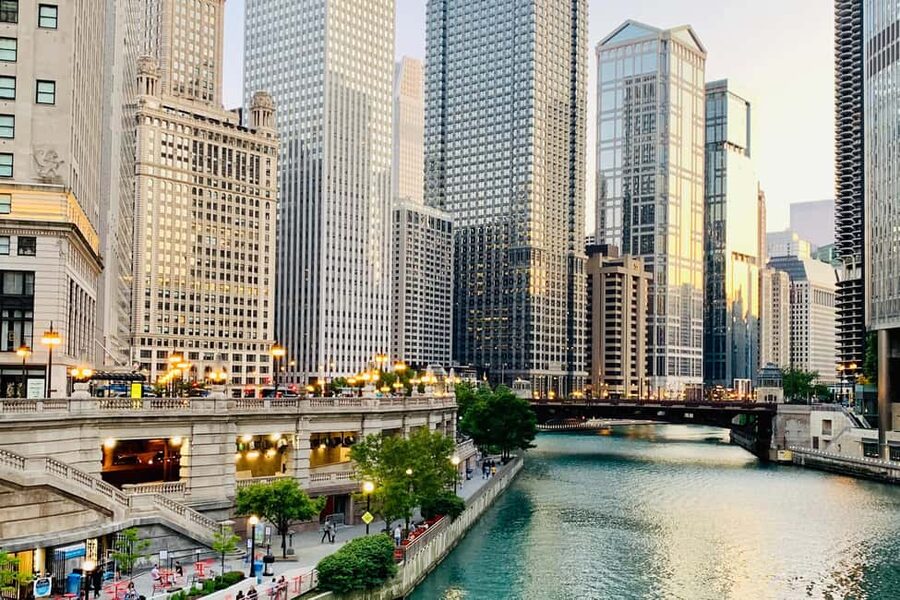
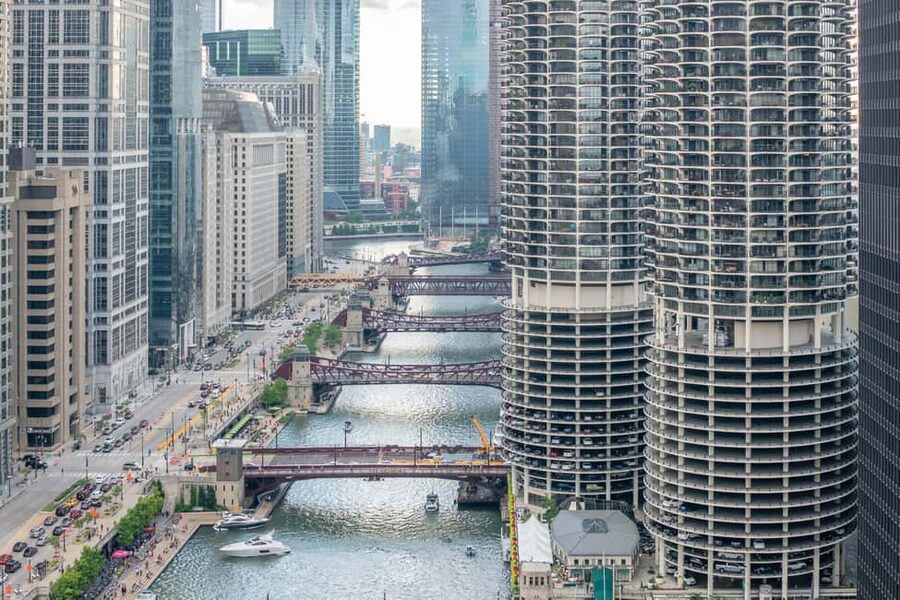
Chicago tells its story in stone, steel, and a mile of Michigan Avenue. This guided walk links early city history with the Wrigley Building, Tribune Tower, and the former John Hancock Center, so you see how the city’s skyline changed over time rather than just collecting building names.
I like two things in particular: the mix of architectural styles, from Beaux-Arts and neoclassical to Art Deco and modernist, and the way the route pairs grand towers with playful storefronts, including the world’s largest Starbucks and a Harry Potter-themed shop. Guide Ben has also been praised for adding useful design details and local backstories.
The main consideration is that this is a two-mile walk, even at a leisurely pace, and the 360 Chicago upgrade takes you high above the city. If heights or vertigo are a concern, skip the observation deck. The tour itself is wheelchair accessible.
At a glance
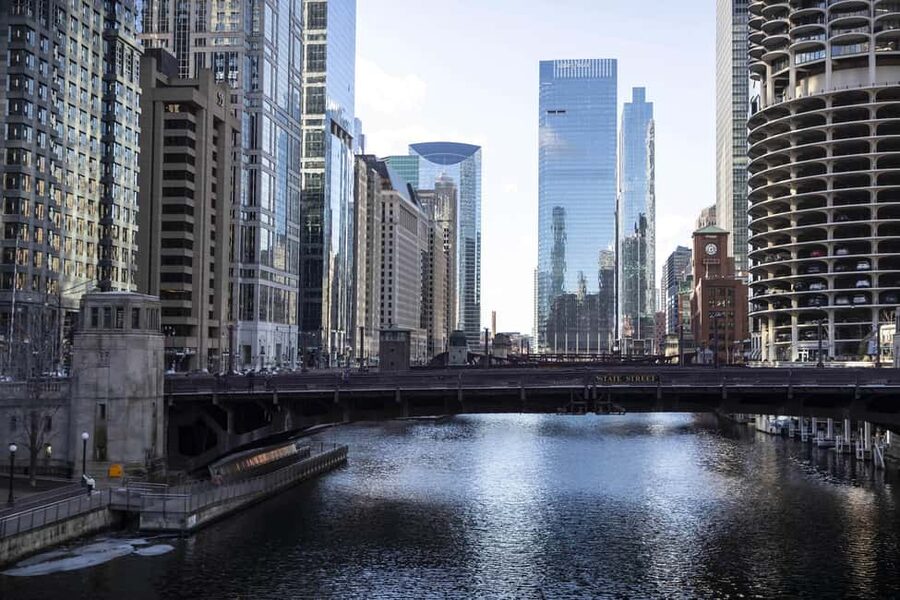
- A skyline with a timeline: Follow Chicago’s architectural story from the city’s early roots to its modern towers.
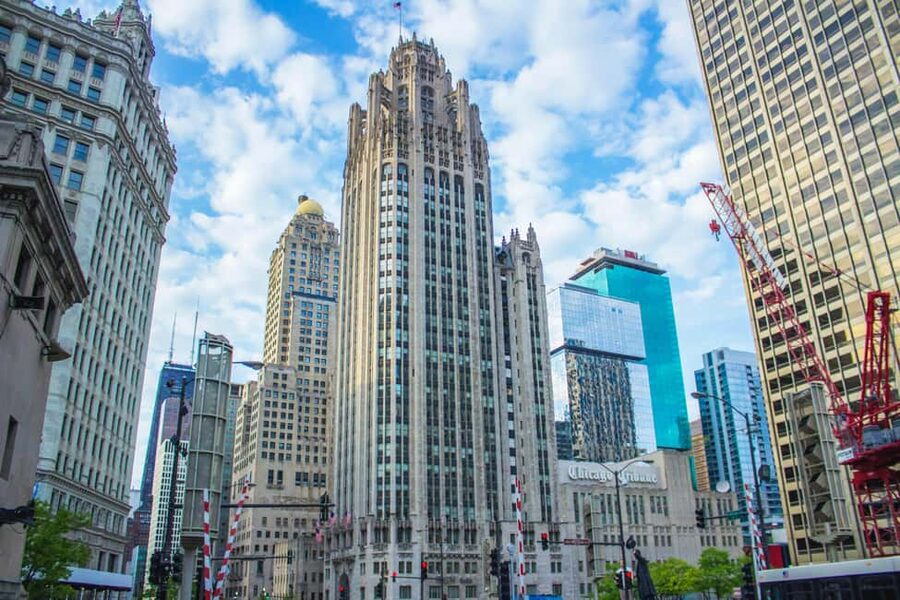
- Michigan Avenue’s famous pair: See the Wrigley Building and Tribune Tower, two landmarks that give the Magnificent Mile much of its character.
- More than grand facades: Look for the world’s largest Starbucks, a Harry Potter-themed shop, and luxury storefronts such as Cartier and Saint Laurent.
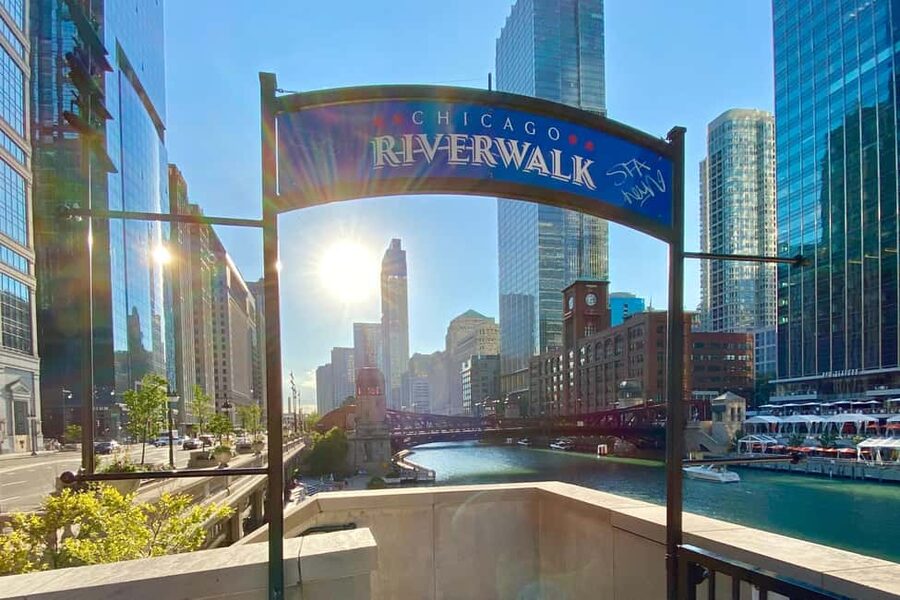
- A park and river along the way: The walk includes Millennium Park and the Chicago Riverwalk, giving the route breathing room between stretches of city architecture.
- Optional views from 1,030 feet: Add a self-guided visit to 360 Chicago, with broad views over Lake Michigan and the skyscrapers below.
- A manageable city walk: The route covers about two miles at a leisurely pace and takes two to three hours, depending on the selected option.
Starting among the Federal Building Columns
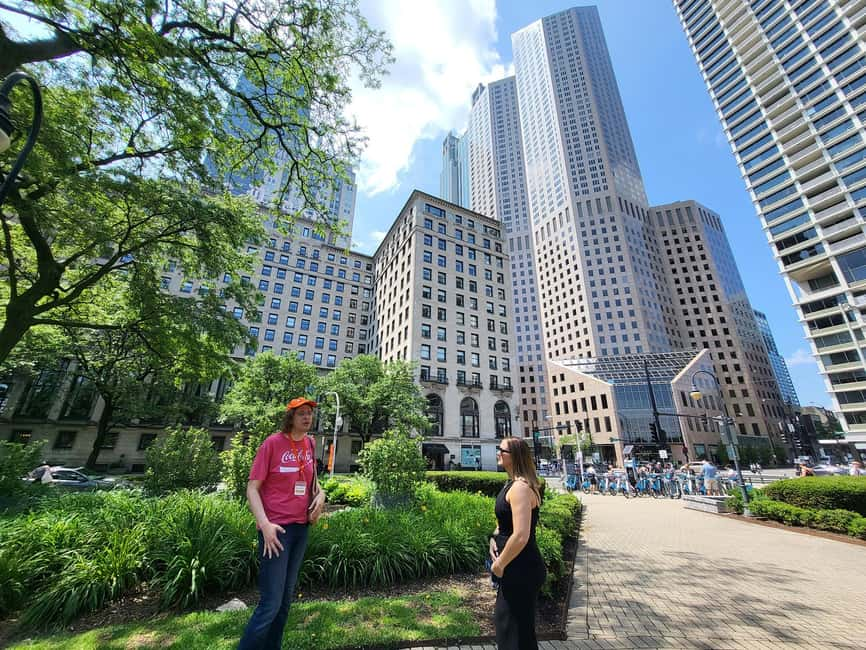
Meet on the north side of the Cancer Survivors’ Garden, in front of the Federal Building Columns at Field Boulevard and East Randolph Street. Look for a guide wearing an orange ExperienceFirst hat. That clear marker helps you find the group in a busy downtown area.
The starting point puts you near Millennium Park and the lakefront, making an early stop feel natural rather than tacked on. The walk gives you a chance to notice how Chicago’s public spaces and monumental buildings sit alongside one another. It also sets up the larger theme: the city’s architecture is not just a row of impressive facades, but a visible record of its growth.
The meeting location is worth saving before you set out. The tour begins at the columns, not at the observation deck or on Michigan Avenue, and the activity covers about two miles. Wear comfortable shoes, as recommended, and allow two to three hours for the whole outing.
More Magnificent Mile tours around Chicago:
- Chicago River 45-Minute Architecture Tour from Magnificent Mile
★ 4.5 · 2,924 reviews - Magnificent Mile Tour With Optional 360 Chicago Upgrade
★ 5.0 · 80 reviews - Chicago Perfume Making Classes on Magnificent Mile
★ 5.0 · 44 reviews
Millennium Park and the city’s early story
Millennium Park is one of the tour’s most useful stops for context. Rather than beginning with a string of office towers, your guide introduces Chicago’s earlier history in a contemporary park. That contrast helps you see the city as a place that keeps adding new chapters without erasing the old ones.
The park also offers a change of pace from the avenue. You can take in the surroundings and lakefront views before turning your attention to the buildings ahead. The supplied details do not promise a long stop at any single feature, so think of this as a guided introduction, not an extended park visit.
I like this kind of opening because it gives the walk a point of view. You are not simply heading north to look at tall buildings. You are getting a short account of how Chicago developed, then using its architecture to follow that story through the city.
The river and the route toward Michigan Avenue
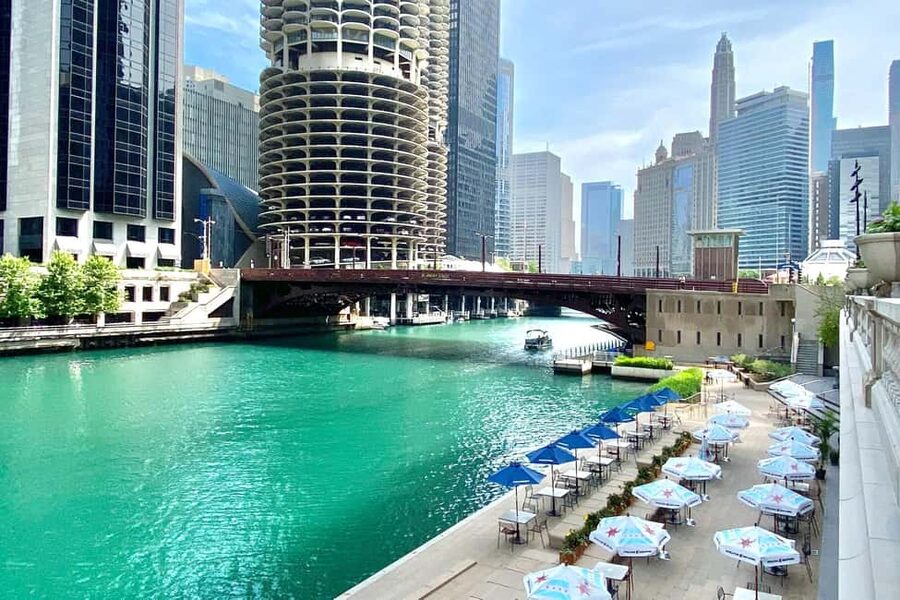
The Chicago Riverwalk adds another kind of city scene. Here, the route brings you close to the river before the focus shifts to Michigan Avenue’s famous buildings and storefronts. The change matters: a skyline viewed from the water’s edge has a different scale than one studied from the sidewalk.
Your guide leads the walk, pointing out architecture and local details as you go. A particularly well-regarded guide, Ben, has been praised for explaining design features and sharing anecdotes that make familiar buildings feel less obvious. His approach is a good fit if you have visited Chicago before and want more than a quick list of landmarks.
The walk is described as leisurely, but it is still a two-mile route through downtown. You will be on your feet, so comfortable shoes are more than a nicety. The tour is wheelchair accessible, though the available details do not specify route surfaces or other access arrangements. If you need particular accommodations, confirm them with the operator before booking.
Reading the Wrigley Building and Tribune Tower
The Wrigley Building and Tribune Tower are central stops on the architectural side of the tour. These landmarks make the Magnificent Mile more than a high-end shopping strip. Their styles and details help show how architecture changed across the early twentieth century, and how different ideas about civic pride and commercial ambition shaped Chicago’s skyline.
The tour covers Beaux-Arts, neoclassical, Art Deco, and modernist work. You do not need to arrive with an architecture textbook in hand. A guide can help you notice how a building’s decorative details, shape, and overall design distinguish one period from another. That is where a walking tour earns its fee: you get an explanation while standing in front of the building, rather than trying to decode it from a photo later.
The two famous towers also give you useful reference points as you explore the avenue on your own. Once a guide has helped you look closely, you are more likely to spot the details you might otherwise pass without noticing. The experience is especially worthwhile if you enjoy cities but do not usually know what to look for in their buildings.
More observation decks around Chicago:
- Chicago: Willis Tower Skydeck and The Ledge Ticket
★ 4.6 · 4,350 reviews - Chicago: 360 CHICAGO Observation Deck Ticket
★ 4.5 · 3,173 reviews - Chicago: Navy Pier Centennial Wheel Ticket
★ 4.5 · 1,807 reviews - Skydeck – Willis Tower Admission
★ 4.5 · 1,775 reviews
Storefronts, luxury names, and the Magnificent Mile
The route is not all stonework and architectural vocabulary. You will pass eye-catching shops, including the world’s largest Starbucks and a Harry Potter-themed shop. These stops bring a lighter, more contemporary note to the walk and show how the avenue draws people for more than its older landmarks.
You also step off Michigan Avenue to explore luxury shopping spots such as Cartier and Saint Laurent. This part of the route is better understood as a look at the district’s retail character than as time set aside to shop. If you want to browse or buy, ask your guide how much time the schedule allows; the stated activity is a guided tour, not a shopping excursion.
I like that the route puts these storefronts beside historic towers. That mix is part of what makes the Magnificent Mile interesting: grand civic-looking architecture, modern commerce, and familiar brands occupy the same stretch of city. The walk lets you see the contrast without needing to plan several separate stops.
Rush Street and the end of the walking tour
Rush Street is included among the places visited, adding another layer to the route beyond Michigan Avenue itself. The supplied details do not promise a specific stop or time there, so expect it as part of the guided city walk rather than a separate, lengthy visit.
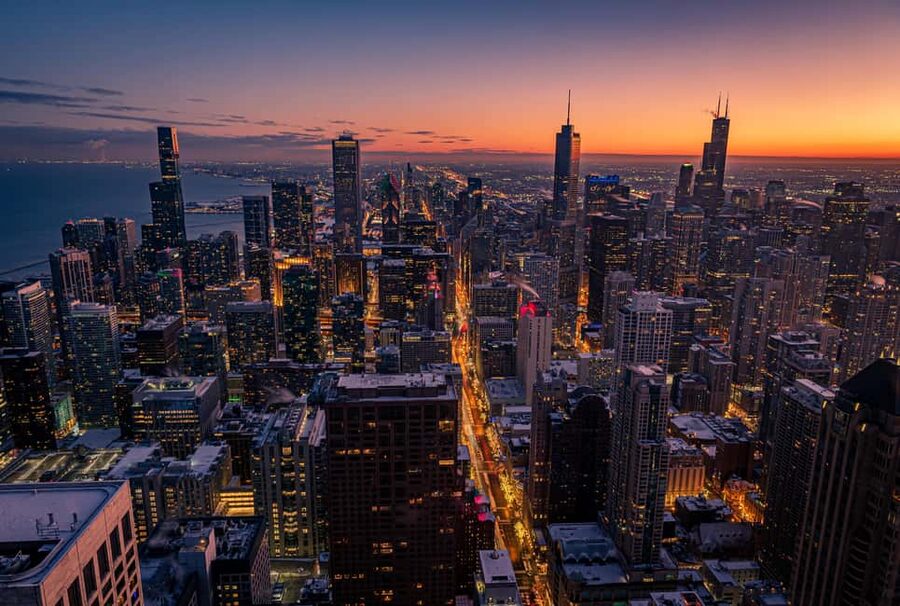
The route wraps up at the former John Hancock Center, now the location of 360 Chicago. This is a fitting endpoint because the tour moves from street-level history and architecture to a high view over the city. If you have chosen the observation deck option, you can continue upstairs after the walk.
Without the upgrade, the walk still gives you a full architecture-focused outing across the central sights. With it, the day ends at a landmark that changes your perspective from looking up at towers to looking down over them.
Is 360 Chicago worth adding?
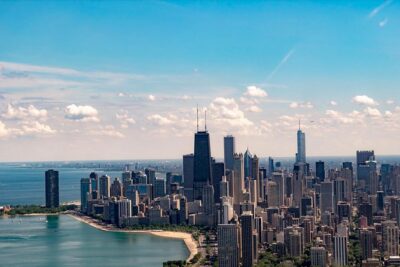
The optional 360 Chicago ticket takes you 1,030 feet up for panoramic views of Lake Michigan and the skyscrapers below. It is a self-guided visit, so the walking tour’s guide does not accompany you through the observation deck. You can stay as long as you like once there, which gives you more control over the pace than the guided portion.
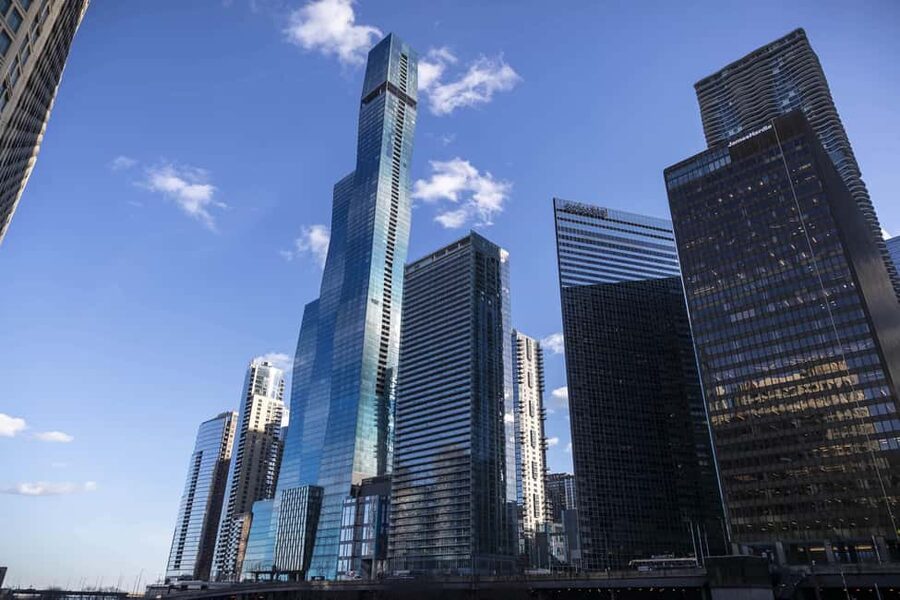
The upgrade makes sense if you want both a close look at Chicago’s architecture and a broad view that helps you understand the city’s scale. From below, the tour helps you see design details and differences among buildings. From above, you get the larger arrangement of towers and lakefront. Those are complementary experiences, not duplicates.
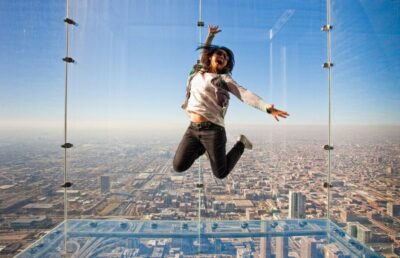
The price of the tour is $39 per person, but the additional cost of the 360 Chicago upgrade is not specified here. Compare the total price when booking, especially if you are deciding between a street-level tour alone and the combined outing. The deck ticket does not include TILT, the attraction that tilts visitors outward from the building. You can buy TILT on-site if you want to try it.
Skip the observation deck if you are afraid of heights or have vertigo. The tour itself remains an option if you are comfortable walking at street level but would rather not go up.
Price, pace, and who should book
At $39 per person, the base tour offers a two-to-three-hour guided walk, a local guide, and a route that brings together parks, the river, architectural landmarks, and unusual storefronts. The value is strongest if you want someone to connect the buildings and explain what you are seeing. If you are content to stroll Michigan Avenue without much context, you may prefer to explore independently.
The pace is a practical middle ground: two miles is enough to cover several central sights without turning the outing into a full-day march. One traveler described the distance as just right for seeing major sites without making the tour too long. That makes it a sensible first-day activity, or a good choice for someone who wants a focused introduction before returning to favorite spots on their own.
The tour is best for architecture-curious visitors, first-time Chicago visitors, and repeat visitors who want to look at familiar places with fresh eyes. Ben’s mix of facts and anecdotes is especially relevant if you have been to Chicago before and think you already know the Magnificent Mile. The tour is offered in English, and it is wheelchair accessible.
Booking is flexible: you can reserve now and pay later, and cancel up to 24 hours in advance for a full refund. Check the available start times before choosing. The information provided does not specify group size, so ask the operator if that matters to you.
Should you book this Magnificent Mile tour?
Book it if you want the city’s architecture explained as you walk, rather than just photographed from the sidewalk. The strongest combination is the guided route with 360 Chicago added: first you examine the buildings up close, then you see the skyline and Lake Michigan from above.
Choose the base walk if you want a clear, manageable introduction to Millennium Park, the river, Michigan Avenue, and its landmark towers without committing to an observation deck. Either way, bring comfortable shoes, and decide in advance whether a high viewpoint appeals to you. The tour’s best value comes from its balance of history, design, and everyday city life, all in a two-mile stretch.
FAQ
How long is the tour?
The tour takes two to three hours. The walking route covers about two miles at a leisurely pace.
Where does the tour meet?
Meet on the north side of the Cancer Survivors’ Garden, in front of the Federal Building Columns at the corner of Field Boulevard and East Randolph Street.
How do I recognize the guide?
The guide wears an orange hat marked ExperienceFirst.
What language is the tour in?
The live guided tour is in English.
Is the tour wheelchair accessible?
Yes, the activity is described as wheelchair accessible.
What should I bring?
Wear comfortable shoes for the two-mile walk.
Is a ticket to 360 Chicago included?
A 360 Chicago ticket is included only if you select the upgrade. Without it, the observation deck is not included.
How long can I stay at 360 Chicago?
After the walking tour, you can spend as long as you like on the observation deck.
Does the 360 Chicago ticket include TILT?
No. TILT is not included, but you can purchase it on-site.
Can I cancel my booking?
You can cancel up to 24 hours in advance for a full refund.
Just added around Chicago
- Travel between Chicago O’Hare and Madison★ 4.5 · 4 reviews
- Walking Tour: Historic Chicago Pubs in River North and the Loop★ 5.0 · 9 reviews
- Verse Immersive Holographic Theater in Chicago★ 4.5 · 28 reviews
- Private Transfer from Chicago Airport (ORD)★ 3.5 · 3 reviews
- Professional Photo Shoot in Chicago★ 4.5 · 8 reviews
- The Devil in the White City: A Haunting History Tour★ 4.5 · 17 reviews
- 2 Hour Chicago Landmarks & Lakefront E-Bike Tour★ 5.0 · 4 reviews
- Chicago Scavenger Hunt Adventure★ 5.0 · 5 reviews
Chicago Observation Decks, compared.

Chicago Explorer Pass: 2 to 7 Attractions including SkyDeck
Read our review →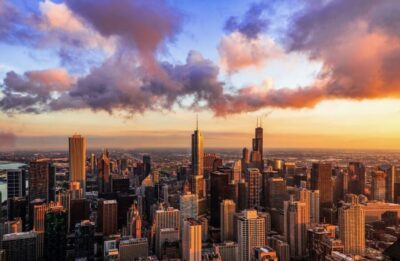
360 Chicago Observation Deck Sip and View Ticket
Read our review →
Chicago Explorer Pass: 35+ Things To Do – Includes 360 Chicago
Read our review →Browse the lists this tour appears in