
Reviewed · CHICAGO ARCHITECTURE TOURS
Chicago: Secret Interiors Architecture Walking Tour
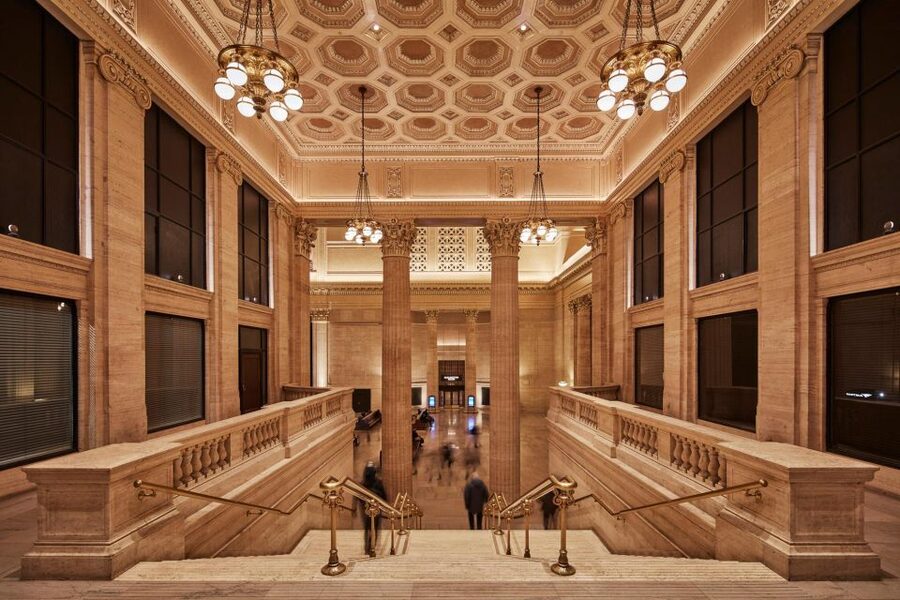
Chicago’s architectural story gets more interesting when you step inside. This two-hour Loop walk pairs famous buildings with their often overlooked interiors, from ornate domes and mosaics to the details that reveal how architects handled light, structure, and showmanship.
I like that the tour links design choices to Chicago’s history, including the ambitions and personalities of the Gilded Age and Roaring Twenties. I also like that a guide can take you into buildings you might not think to enter on your own. One consideration: expect plenty of time outdoors, so Chicago weather and comfortable shoes matter.
- Start inside Union Station: Meet in the Great Hall, under the Clinton Street sign, before walking into the Loop.
- Look beyond the facades: The route includes the Rookery, Palmer House, and other landmark buildings, with attention to interiors and architectural details.
- Follow the city’s changing styles: Hear about early skyscrapers, later design innovations, and Chicago’s influence on architecture.
- Ask questions as you go: Guides such as Grant, Talia, Annie, and Angel are praised for clear, engaging explanations.
- Plan for weather and access: The walk is marked wheelchair accessible, but one tour participant noted stairs at some buildings. The Rookery is closed Sundays, when the route changes.
Why Chicago’s architecture makes more sense from inside
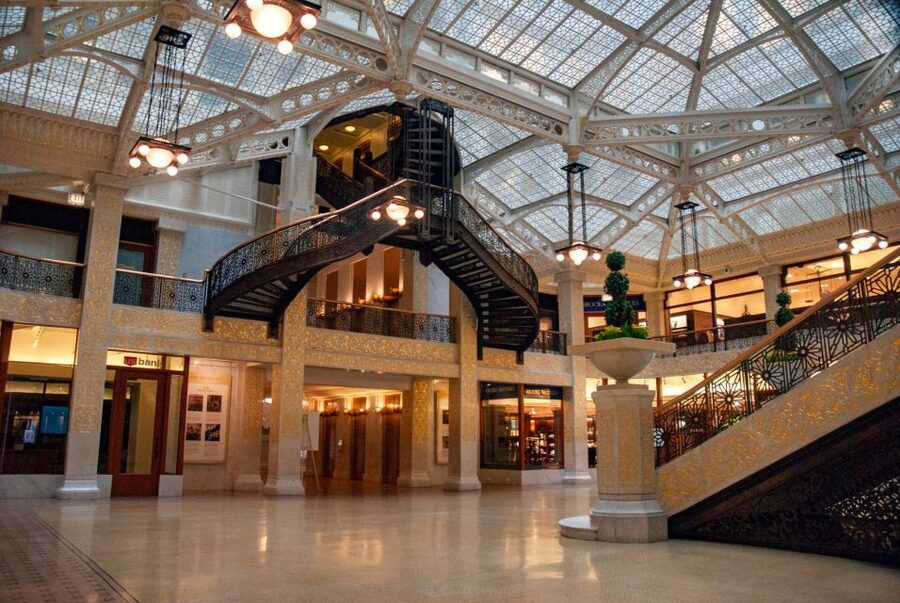
From the street, Chicago’s Loop can feel like a lineup of impressive facades. This tour gives you a reason to look up, then step through the door. The interior details help explain why these buildings were made to impress, and how their designers worked through practical problems such as bringing daylight into deep spaces and supporting ever taller structures.
The two-hour walk is not just a parade of architectural styles. Its appeal is the connection between a building’s design and the city that produced it. You hear about industrial magnates, famous and infamous figures, and the people who moved through these corridors during the Gilded Age and Roaring Twenties. Those stories give the buildings a human scale: the architecture was not created in a vacuum, but for people with money, influence, and big ideas about how a modern city should look.
The tour also gives useful context for Chicago’s long architectural timeline. You can compare pioneering skyscrapers with later modernist work and notice how the city’s ambitions changed. If you already know a little about Chicago’s architecture, the inside details may be the most rewarding part. If you are new to the subject, the guide’s explanations help make unfamiliar styles and engineering choices easier to spot.
Starting at Union Station and entering the Loop
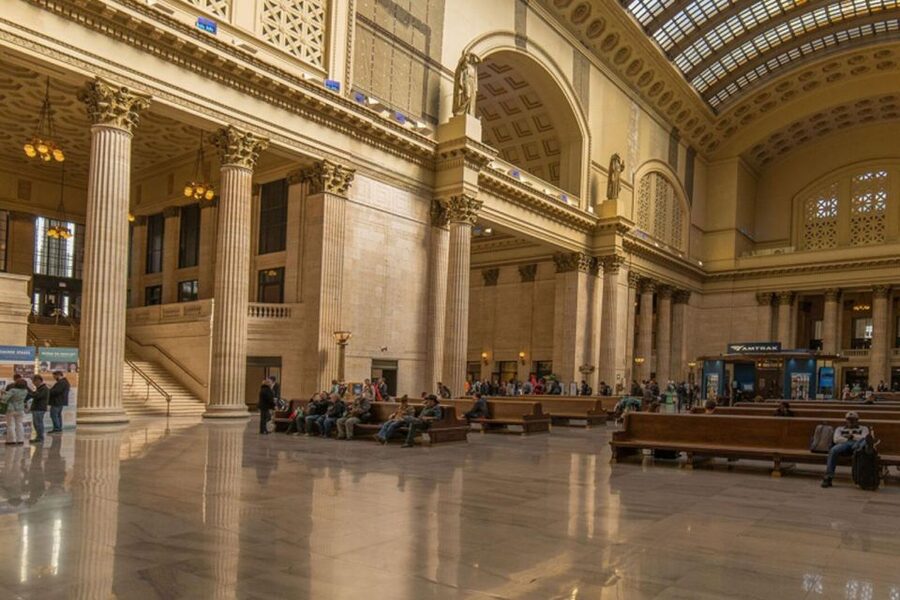
The meeting point is inside Union Station’s Great Hall, under the Clinton Street sign. That is a practical starting place if you arrive by train, and a striking one in its own right. Allow time to find the meeting point before the tour begins, particularly if the station is unfamiliar to you.
From there, the route heads into the Loop, Chicago’s central business district. The itinerary includes a guided walk through the area and a stop on South La Salle Street. Here, you begin to read the city as a collection of purposeful choices: how buildings meet the street, how their entrances make an impression, and how different eras left their mark on the same downtown grid.
The exact balance of indoor and outdoor time can vary with building access and conditions. One winter participant estimated that about 90 percent of the tour was outside, so dress for a walk rather than assuming this is a warm indoor visit. In cold weather, bundle up. In any season, comfortable shoes are a must.
More architecture tours around Chicago:
- Chicago Architecture River Cruise
★ 5.0 · 15,756 reviews - Chicago River 90-Minute Architecture Tour
★ 4.5 · 9,629 reviews - Chicago River: 1.5-Hour Guided Architecture Cruise
★ 4.8 · 8,046 reviews
Finding the Rookery’s details
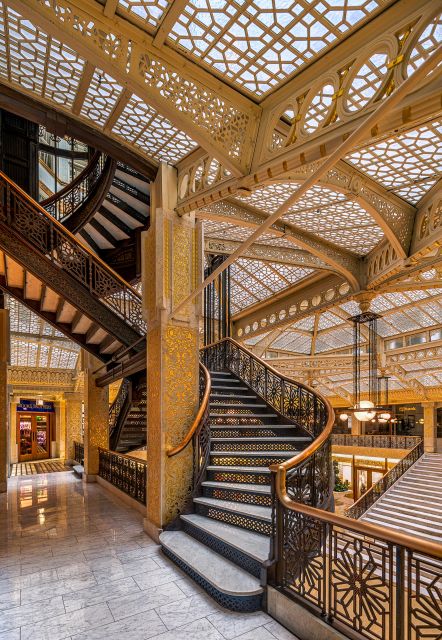
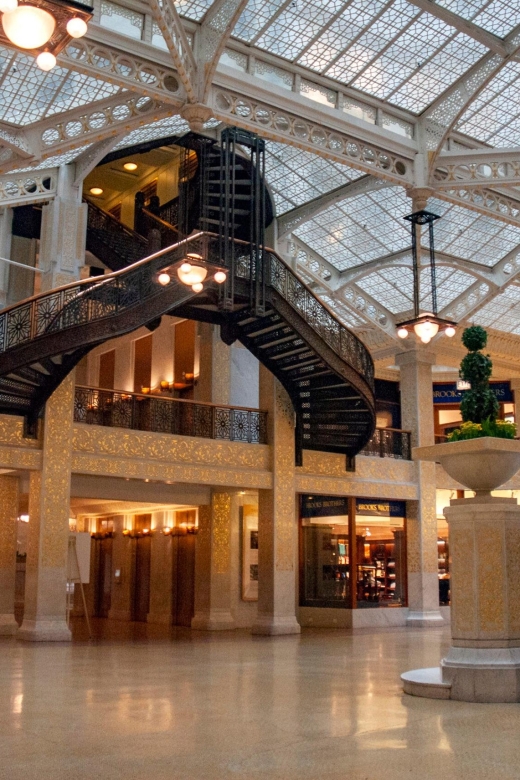
The Rookery Building is one of the named stops, and it gives the guide a chance to discuss the design and craftsmanship that can be easy to miss from the sidewalk. The tour’s central idea is to help you notice more than a building’s outline: look for decorative work, materials, and how an interior handles light and space.
Access to historic interiors is an important part of the experience, but it is not something to take for granted. The Rookery is closed on Sundays, and the tour includes an alternative stop on those days. If seeing the Rookery is a priority, choose another day of the week and confirm the tour’s current schedule when booking.
This stop also illustrates a useful point about guided architecture walks. A building’s significance is not always obvious from its name or exterior. The guide can point out what to look for and explain why a feature matters, turning a quick glance into a more informed visit. You can ask about details that catch your eye; guides including Annie and Grant have been praised for welcoming questions and explaining the stories behind buildings and art.
South La Salle Street, the Field Building, and the Marquette Building
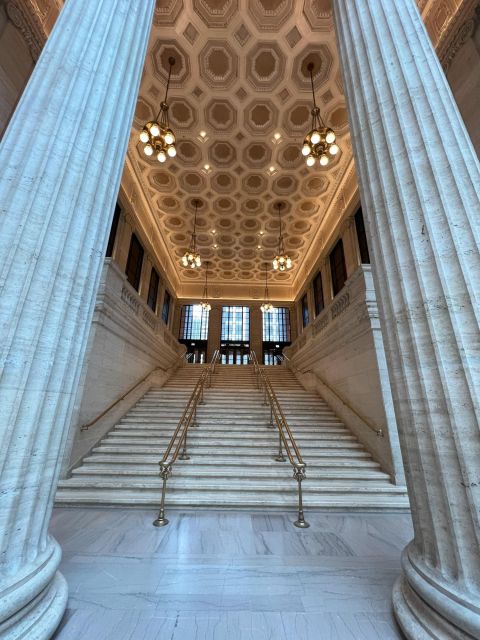
The route continues through downtown, including the Field Building and the Marquette Building. These stops broaden the tour’s view of the Loop, moving beyond a single architectural era or one headline landmark. You hear how different buildings express distinct design priorities and how Chicago’s architecture evolved as new ideas and engineering methods arrived.
The tour’s stated focus on structural integrity and illumination is especially useful here. Those are not abstract topics. They help explain why a building looks and feels the way it does, and what its designers had to solve to make it work. The guide can connect technical choices to visual ones, showing how engineering and decoration often share the same stage.
The Field Building and Marquette Building are also good places to slow your eyes down. Rather than trying to memorize a list of dates, notice repeated patterns, ornament, entrances, and the contrast between street-level details and upper floors. The experience is most rewarding when you look closely and ask questions instead of simply trying to cover ground.
Palmer House and the Chicago Cultural Center
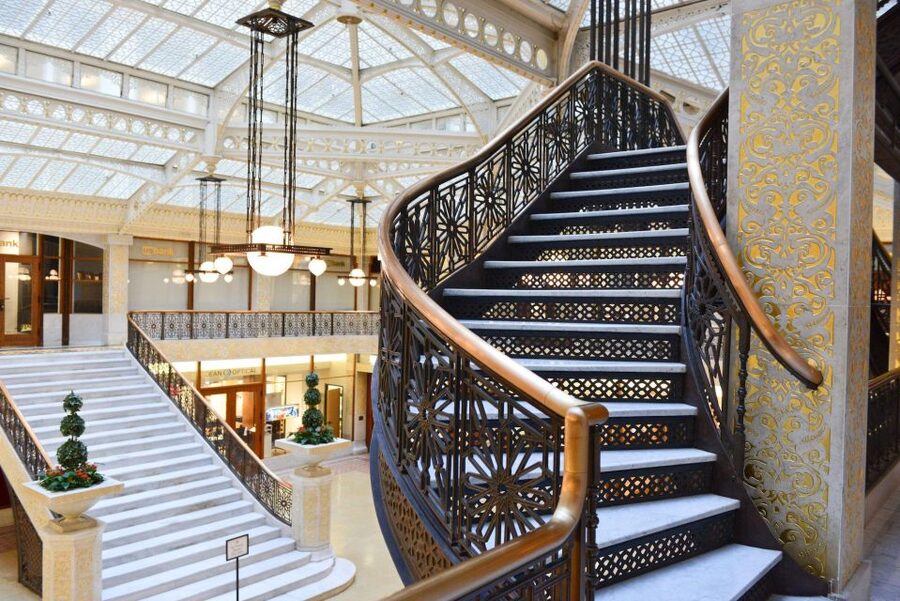
Palmer House a Hilton Hotel adds another distinctive stop to the walk, with an opportunity to consider the relationship between architecture, hospitality, and public display. Its place on the itinerary broadens the conversation beyond office buildings and skyscrapers. The guide can show how design choices helped create a sense of occasion inside a major city building.
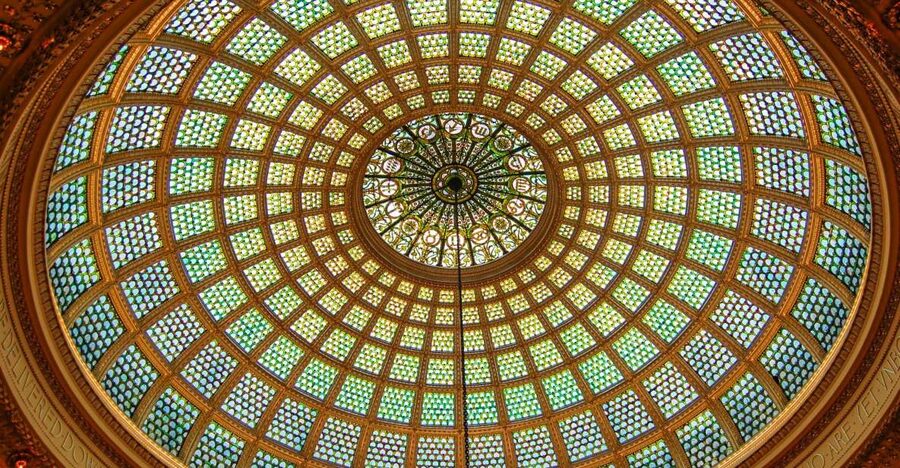
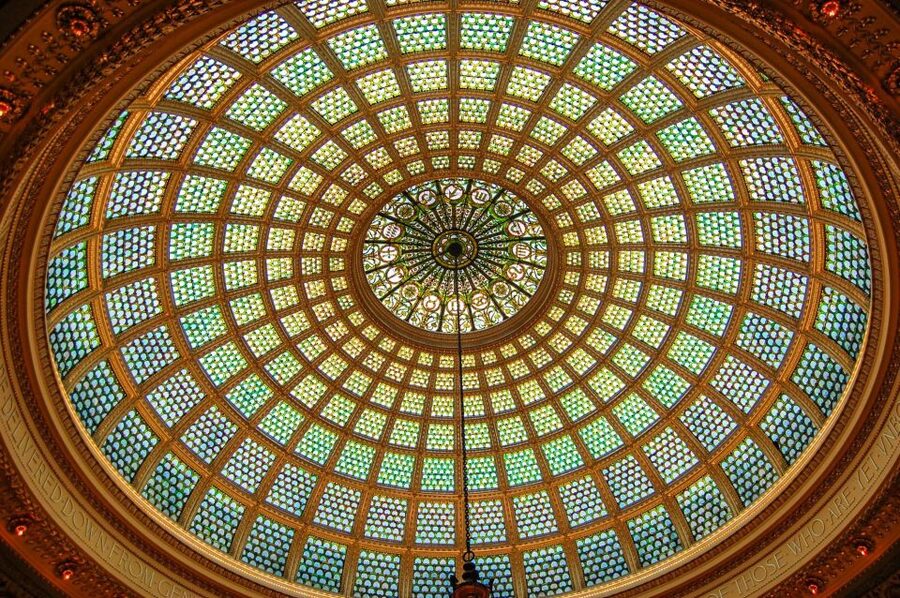
The Chicago Cultural Center follows, adding a civic and cultural landmark to the mix. The tour’s emphasis on domes, mosaics, and elaborate craftsmanship fits the kind of visual details you will be encouraged to notice. Rather than treating decoration as an afterthought, look at how it shapes the mood and identity of a space.
Building access can vary, and a scheduled photo stop or visit does not guarantee that every interior will be open in every circumstance. The tour is designed around the buildings and spaces available on the day. That flexibility is part of why the Sunday alternative at the Rookery matters: the route adapts when a site is closed.
More walking tours around Chicago:
- Chicago: Gangsters and Ghosts Walking Tour
★ 5.0 · 7,155 reviews - Chicago Favorites Ultimate Food and Walking Tour
★ 5.0 · 1,962 reviews - Chicago: Gangsters and Ghosts Guided Walking Tour
★ 4.7 · 1,697 reviews - Chicago in a Day: Food, History & Architecture Walking Tour
★ 5.0 · 1,153 reviews
Finishing at Marshall Field and Company Building
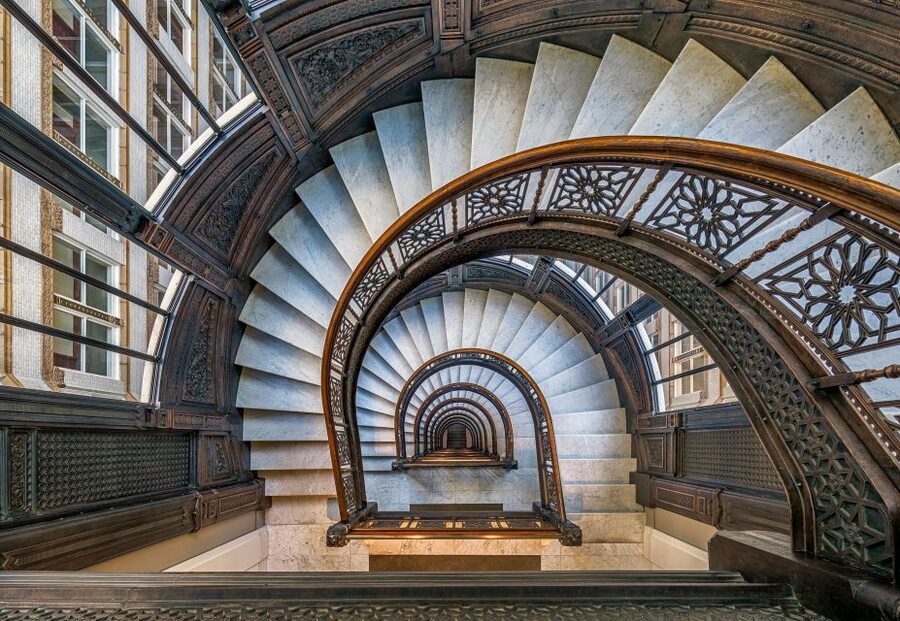
The walk ends at the Marshall Field and Company Building, another landmark that gives the guide a final chance to connect design with Chicago’s commercial history. It is a useful endpoint for reflecting on the variety of buildings you have encountered, from early skyscraper-era architecture to later expressions of the city’s changing style.
The route covers a substantial part of downtown, but the pace has been described as manageable by many people, with some noting a brisk walk. One participant found the pace fast and pointed out that there were stairs in and out of buildings. If you have mobility concerns, contact the tour provider ahead of time to clarify access at each stop. The activity is marked wheelchair accessible, but access inside individual buildings may involve different conditions.
At the end, you are well placed to continue exploring the Loop on your own. A guide may also suggest places to revisit or share local dining tips. Grant, for example, has been praised for offering practical recommendations after the tour. Treat any suggestions as a bonus, not a promised feature.
What the guide adds to the experience
A good guide is central to this walk. You are not just being shown a sequence of facades; you are getting a running explanation of why the buildings matter, what their details mean, and who helped shape the city. Guides named by participants include Grant, Talia, Annie, Angel, Matthew, and Avery. The specific guide depends on the date, so you should not book expecting a particular person.
The strongest guide style for this tour is conversational and open to questions. That matters because architecture can become a blur of names and dates if the explanation stays too technical. Clear stories and small details help you remember what you saw. If a doorway, decoration, or piece of art catches your eye, ask about it. One participant wished for more unsolicited detail about passing features but found the guide happy to answer when prompted.
The tour can also complement an architecture boat trip. A boat tour gives you a broad view of buildings along the river; this walk shifts attention to the Loop’s interiors and street-level details. If you have time for both, they offer different ways to understand the city. If you must choose one, think about what you most want: skyline views from the water, or guided access to downtown spaces and their stories.
Is $35 good value for two hours?
At $35 per person, the price buys a live English-speaking guide, a two-hour walking tour, and commentary on architectural styles and innovations. Its value depends less on how many blocks you cover than on what you would notice without help. You can walk past these buildings for free, but the guide’s context and access to interiors are what make the paid experience worthwhile.
This is particularly good value if you enjoy history, design, or close observation. It can also work for Chicago residents who have seen the skyline many times but have not explored the interiors. The appeal is not limited to architecture experts. A clear guide can make engineering and stylistic changes accessible, and the stories about the people behind the buildings add a human layer.
The price is less compelling if you want a fully indoor activity, a slow museum-style visit, or a guaranteed stop inside every building. This is a walking tour, and access can depend on building schedules. You will get more out of it if you are prepared for weather, comfortable walking, and occasional stairs.
Who should book this walk
I would put this tour high on the list for anyone who wants to understand Chicago beyond its skyline. It suits first-time visitors who like a guide’s orientation, architecture fans who want to see interiors, and locals who want a fresh reason to look at familiar blocks. Families can also use it as a structured afternoon activity, provided everyone is comfortable walking and standing outdoors.
It is especially useful if you have already taken, or plan to take, a river architecture tour. The two experiences cover different ground: one emphasizes the city from the water, while this one takes you through the Loop and into selected buildings. If your schedule allows just one architecture activity, choose according to your interests rather than treating them as interchangeable.
The activity is marked wheelchair accessible, but because some buildings may have stairs, verify the details for your date if access needs are a concern. Bring comfortable shoes and dress for the forecast. You can cancel up to 24 hours in advance for a full refund, and the reserve-now, pay-later option lets you hold a place without paying immediately.
Should you book it?
Book this tour if you want more than a street-level look at Chicago’s architecture. Its strongest feature is the way a guide connects details inside landmark buildings with the city’s engineering, styles, and personalities. At $35 for two hours, it is a sensible choice for curious walkers who are happy to spend much of the time outdoors.
Skip it if you need a guaranteed indoor itinerary or prefer to explore at your own pace without a group. For the best chance of seeing the Rookery, avoid Sunday, and come ready to ask questions. That is how this walk turns a downtown stroll into a closer look at the city.
FAQ
How long is the Chicago Secret Interiors Architecture Walking Tour?
The tour lasts two hours.
How much does the tour cost?
The listed price is $35 per person.
Where is the meeting point?
Meet your guide inside Union Station’s Great Hall, under the Clinton Street sign.
What language is the tour conducted in?
The live tour guide speaks English.
Is the Rookery Building included every day?
No. The Rookery is closed on Sundays, so the tour includes an alternative stop on those days.
Is the tour wheelchair accessible?
The activity is marked wheelchair accessible. However, one participant noted stairs in and out of buildings, so contact the provider to check access at individual stops if needed.
What should I bring?
Wear comfortable shoes. Since much of the tour is outdoors, dress for the weather as well.
Just added around Chicago
- Travel between Chicago O’Hare and Madison★ 4.5 · 4 reviews
- Verse Immersive Holographic Theater in Chicago★ 4.5 · 28 reviews
- Walking Tour: Historic Chicago Pubs in River North and the Loop★ 5.0 · 9 reviews
- Professional Photo Shoot in Chicago★ 4.5 · 8 reviews
- Private Transfer from Chicago Airport (ORD)★ 3.5 · 3 reviews
- The Devil in the White City: A Haunting History Tour★ 4.5 · 17 reviews
- 2 Hour Chicago Landmarks & Lakefront E-Bike Tour★ 5.0 · 4 reviews
- Chicago Scavenger Hunt Adventure★ 5.0 · 5 reviews
Chicago Architecture Tours, compared.
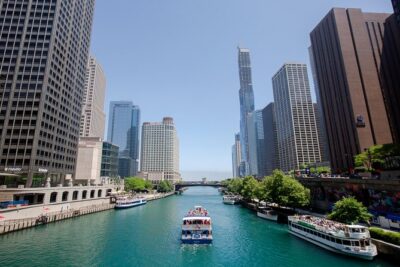
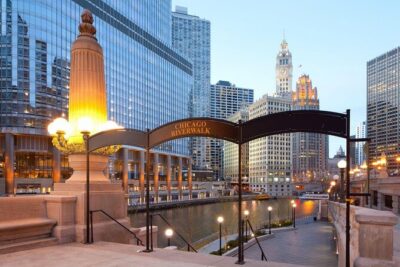

Chicago River: 1.5-Hour Guided Architecture Cruise
Read our review →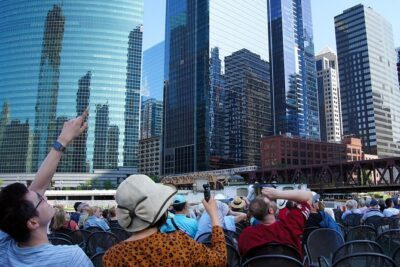
Chicago Architecture Center River Cruise aboard First Lady
Read our review →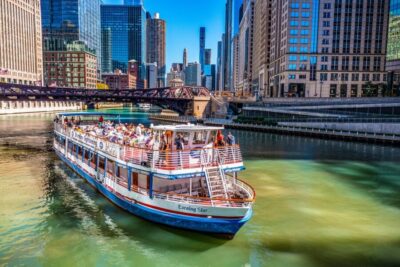
Architecture River Cruise Skip-the-Ticket Line
Read our review →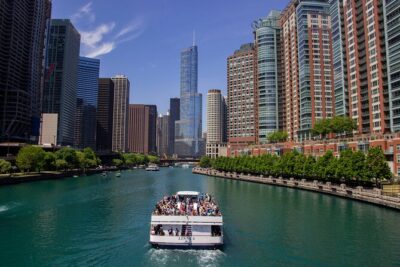
Chicago River 45-Minute Architecture Tour from Magnificent Mile
Read our review →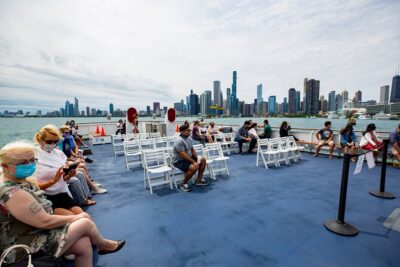

45-Minute Family-Friendly Architecture River Cruise
Read our review →Browse the lists this tour appears in