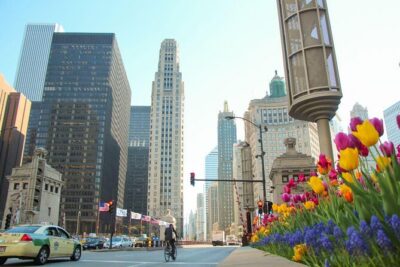
Reviewed · CHICAGO TOURS
Inside Tour of Chicago’s Fine Arts Building
Chicago’s Fine Arts Building is not just an old address on Michigan Avenue. It is a working arts building, with studios and creative businesses tucked into halls that have changed little since 1898. This small-group tour offers a rare look inside, along with the stories of architect Solon Spencer Beman and the people who have made the building their workplace.
I like two things in particular: the chance to see the building’s original details up close, and the way guide Ronnie Frey connects its architecture to the artists and makers who still give it purpose. A possible drawback: the route includes stairs, and the tour can feel brisk if you want time to linger over every room.
Key points
- A 125-year-old building with an active creative life: Painters, photographers, music instructors, architects, lawyers, booksellers, and instrument makers have worked here.
- A Beman-designed landmark: The architect also designed Pullman and the Pullman Palace Car Company.
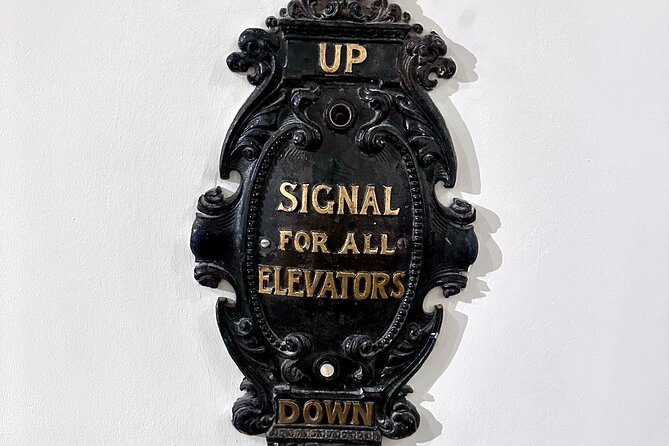
- Historic spaces beyond the hallways: The route may include the Studebaker Theatre, a stringed-instrument workshop, and a manual elevator.
- Small group, personal storytelling: The tour is capped at 10 people, and Ronnie Frey is praised for bringing the building’s history and past tenants to life.
- A compact indoor outing: Expect about 60 to 90 minutes, with stairs and a moderate physical-fitness requirement.
- $45 per person: That buys an unusual interior visit and a guided history lesson, not just a look at the facade.
The Fine Arts Building’s working history
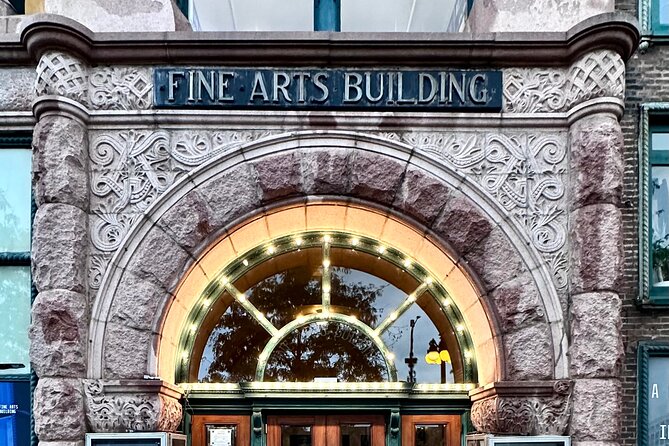
The Fine Arts Building is easy to pass without guessing what is inside. Its appeal is not limited to architectural ornament. The building is still home to creative work, which gives the visit a different feel from touring a preserved house or a museum where everything has been arranged for display.
The building’s story reaches back to its earlier life as the Studebaker Brothers Carriage Company showroom. The showroom relocated in 1896, and the building became a home for artists and other independent professionals. The tour traces that shift and explains how a former commercial space developed into a place where people came to make, teach, and sell creative work.
That mix matters. As you move through the building, the past is not sealed off from the present. You may pass working studios and businesses alongside traces of older uses. The result is an architectural visit with a human scale: the story is about the people who occupied these rooms, not only the architect who designed them.
More Chicago tours and tickets around Chicago:
- Chicago Architecture River Cruise
★ 5.0 · 15,756 reviews - Chicago River 90-Minute Architecture Tour
★ 4.5 · 9,629 reviews - Chicago River: 1.5-Hour Guided Architecture Cruise
★ 4.8 · 8,046 reviews
Solon Spencer Beman’s Chicago legacy
Architect Solon Spencer Beman is the central figure in the building’s design story. He is known for designing the town of Pullman and the Pullman Palace Car Company, making the Fine Arts Building a useful stop if you are curious about how Chicago’s commercial and industrial growth shaped its architecture.
The tour introduces Beman’s work through the building itself. You can look at its halls, surfaces, and layout while hearing how the design connects to his wider career. That approach is more rewarding than a string of dates and names: it gives you something to notice as the guide explains the building’s history.
The Fine Arts Building also has connections to well-known creative figures. Frank Lloyd Wright and Norman Rockwell are among the former tenants associated with it. Their names add a sense of scale to the building’s story, but the tour’s appeal is broader than celebrity history. It follows the many kinds of work that took place here, from art and music instruction to architecture and instrument making.
A walk through halls largely unchanged since 1898
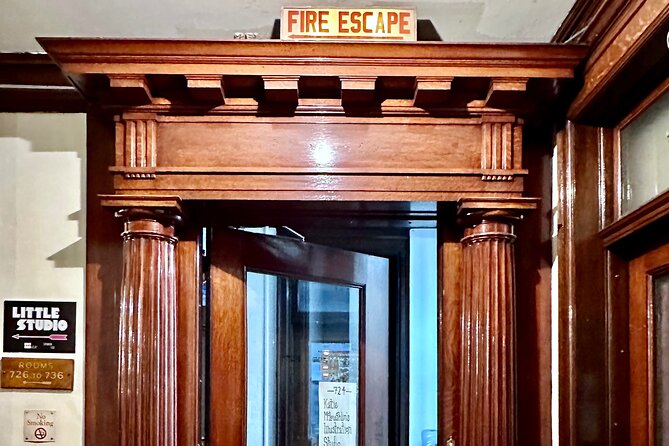
The main experience is a guided walk through the building’s maze of hallways. They have remained remarkably unchanged since 1898, giving you a close look at a late-19th-century interior that is still part of everyday city life.
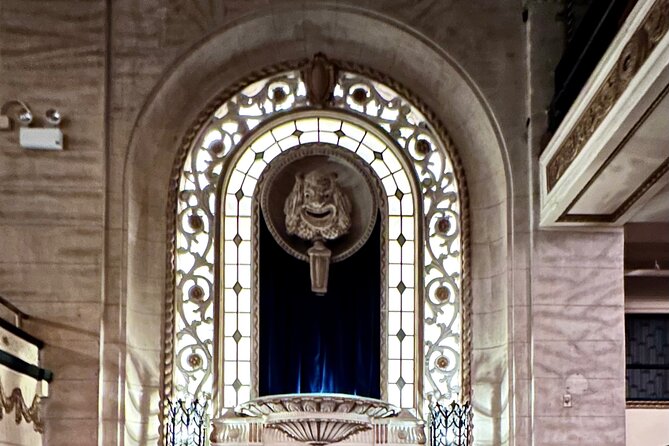
Pay attention to the details around you. The building’s handmade surfaces are part of its character, including plaster and marble finishes and crafted floor tiles. The point is not simply to admire an old corridor. These details help show the care that went into a building meant to serve working professionals, and they give the guide a way to explain how its design has endured.
This is also where a guide with a personal connection to the building can make a difference. Ronnie Frey’s enthusiasm is a recurring strength of the experience. His storytelling covers both the design and the people who used the rooms, making the history easier to picture than a list of former tenants on a plaque.
The route moves through multiple floors of a 10-story building. That offers variety, but it also means you should be ready to walk and climb stairs. One account of the tour describes plenty of stairs, and the activity calls for a moderate level of physical fitness. If you prefer to move slowly or need a step-free route, contact the operator before booking to ask what can be accommodated.
The Studebaker Theatre and other interior surprises
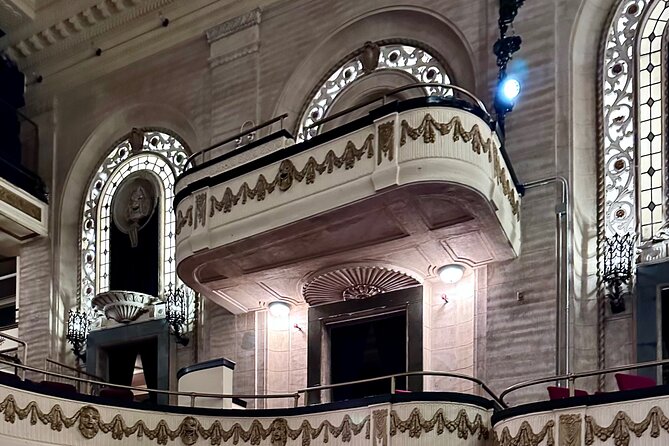
The Studebaker Theatre is one of the tour’s most distinctive stops. It adds a performance-space dimension to a visit that might otherwise focus mainly on architecture and studios. You can see how the building supported the arts in more than one form, and hear how the theater fits into the site’s history.
Another possible highlight is a visit to a stringed-instrument maker. The working workshop gives you a glimpse of a specialized craft that is easy to miss on an ordinary city walk. It also underlines what makes this building unusual: creative work here is not only part of the past. The tour has included an opportunity to see an instrument-making space, though access to individual rooms can depend on what is open during a particular visit.
The building has also offered a ride in a manual elevator. That is an appealing bit of old-fashioned machinery, and a memorable contrast with the modern city outside. Treat it as a possible feature rather than the sole reason to book; the experience is about the building and its stories as a whole.
Some stops may depend on access to working spaces. The tour is not a guarantee that you will see every studio or business. Its value lies in the guide’s ability to make the building legible, even when the route has to adapt.
Same city, a different kind of day:
- Chicago: Gangsters and Ghosts Walking Tour
★ 5.0 · 7,155 reviews - Chicago Architecture Center River Cruise aboard First Lady
★ 5.0 · 5,536 reviews - Chicago: Willis Tower Skydeck and The Ledge Ticket
★ 4.6 · 4,350 reviews - Chicago: Architecture River Cruise Skip-the-Ticket Line
★ 4.8 · 4,325 reviews
Small-group storytelling and useful visual aids
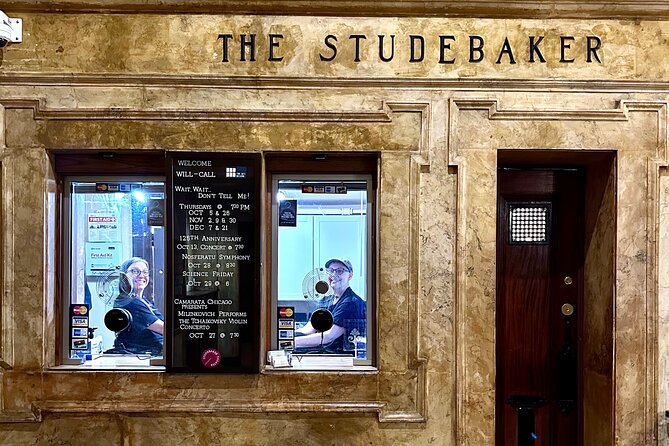
With a maximum of 10 people, this is a more personal outing than a large bus or sidewalk tour. A small group makes it easier to hear the guide and follow the route through narrow corridors. It also suits a building where the experience depends on looking closely and listening to stories tied to particular rooms.
Ronnie Frey is the guide most closely associated with the tour. His enthusiasm for Chicago and the Fine Arts Building is a major part of the appeal. He shares stories about past tenants and building details, and can add context with a link to photographs on your phone. Those images have included views of the former exterior and pictures of people connected with the building, helping you compare the present-day spaces with earlier versions.
The guide’s own space in the building has been part of the visit, including views toward the Board of Trade and Willis Tower. That gives you a fresh angle on the surrounding city, though the main focus remains indoors and on the building itself.
One practical note: arrive on time. A small group needs to gather before setting off, and late arrivals can delay people who are already there. The listed meeting point is 410 Michigan Avenue, and the tour begins at 10:00 a.m.
What $45 buys you
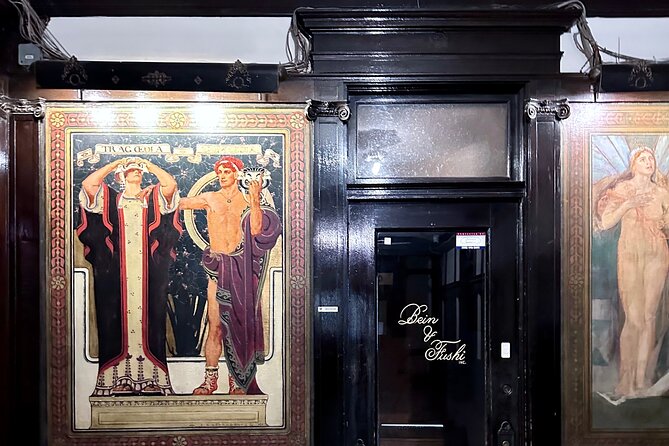
At $45 per person, this is not the cheapest way to spend an hour in Chicago. The value comes from access and interpretation. You are paying for a guided look inside a historic building, the stories behind its architecture and tenants, and the chance to see spaces such as the theater or an instrument workshop when they are available.
A self-guided walk can show you the exterior, but it cannot explain why the halls matter or connect the building’s working life to Beman’s career. If you enjoy architecture, design, Chicago history, or the lives of artists and makers, the guide’s context is what makes the price worthwhile.
The tour lasts about one hour to one hour and 30 minutes. That is a manageable length for a city itinerary, and the indoor setting makes it a useful option when you want a break from walking outdoors. Still, this is not a formal museum visit with time to explore every floor on your own. The group follows a guided route, and the building has more stories than can fit into one short tour. If you leave wanting a second part, that is a sign the subject has more to offer than the time allows.
Who will enjoy this tour most
I would put this tour high on the list for anyone interested in Chicago architecture, historic interiors, or creative workplaces. It is especially appealing if you like the human stories behind a building: who worked there, what they made, and how a place designed for one purpose found a new life.
It also suits repeat visitors who have already seen the city’s best-known landmarks and want something more local in feel. The Fine Arts Building sits in plain sight on Michigan Avenue, but its interior and working spaces are not obvious from the street. That contrast is part of the pleasure.
You do not need to be an architecture specialist to enjoy it. A curiosity about old buildings and their occupants is enough. If your main interest is a broad overview of Chicago or a fast-paced exterior tour, this is a narrower experience. It spends its time in one building, and that focus is both its strength and its limit.
Planning your visit
The tour starts at 10:00 a.m. at 410 Michigan Avenue and returns to the meeting point. It is operated by Doorways of Chicago, uses a mobile ticket, and is generally booked about five days ahead. The group limit is 10, so booking in advance is sensible if the date matters to you.
The listed price is $45 per person. Tips and gratuities are not included. The activity requires a moderate level of physical fitness, and the route may involve stairs, so plan for a fair amount of walking inside the building.
The cancellation terms are strict: the experience is non-refundable and cannot be changed at your request. If bad weather causes the operator to cancel, you are offered another date or a full refund. The tour also requires a minimum number of participants; if that minimum is not met, you are offered another date or experience, or a full refund.
Should you book the Fine Arts Building tour?
Book it if you want to see a side of Chicago that is easy to miss from the sidewalk. The best reasons are the building’s preserved interior, its ongoing creative life, and Ronnie Frey’s story-driven approach. The theater, instrument-making workshop, and manual elevator can add memorable detail to the visit.
Skip it if you want a broad survey of the city, dislike stairs, or need a flexible booking that can be changed later. For architecture fans, curious city walkers, and anyone drawn to the people who make a place more than its facade, this is a well-focused hour or so. At $45, it makes the most sense when you value an informed guide as much as the rooms themselves.
FAQ
How long does the tour last?
Plan for about one hour to one hour and 30 minutes.
How much does the tour cost?
The listed price is $45 per person. Tips and gratuities are not included.
Where does the tour start?
It starts at 410 Michigan Avenue, Chicago, Illinois 60611, and ends back at the meeting point.
What time does the tour begin?
The listed start time is 10:00 a.m.
How large is the tour group?
The maximum group size is 10 people.
What is included in the price?
The tour includes history and information about the Fine Arts Building and architect Solon Spencer Beman.
Is the tour suitable for people with limited mobility?
The activity calls for a moderate level of physical fitness, and the route may include stairs. Contact the operator before booking if you have mobility concerns.
Can I cancel for a refund?
The experience is non-refundable and cannot be changed at your request. If the operator cancels because of poor weather or because the minimum group size is not met, you will be offered another date or experience, or a full refund.
Just added around Chicago
- Travel between Chicago O’Hare and Madison★ 4.5 · 4 reviews
- Walking Tour: Historic Chicago Pubs in River North and the Loop★ 5.0 · 9 reviews
- Verse Immersive Holographic Theater in Chicago★ 4.5 · 28 reviews
- Private Transfer from Chicago Airport (ORD)★ 3.5 · 3 reviews
- Professional Photo Shoot in Chicago★ 4.5 · 8 reviews
- The Devil in the White City: A Haunting History Tour★ 4.5 · 17 reviews
- 2 Hour Chicago Landmarks & Lakefront E-Bike Tour★ 5.0 · 4 reviews
- Chicago Scavenger Hunt Adventure★ 5.0 · 5 reviews
Chicago Tours, compared.
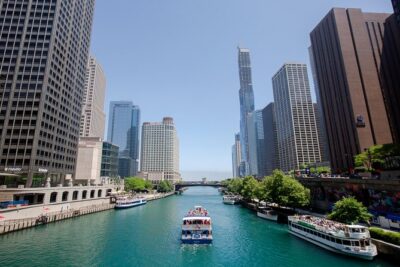
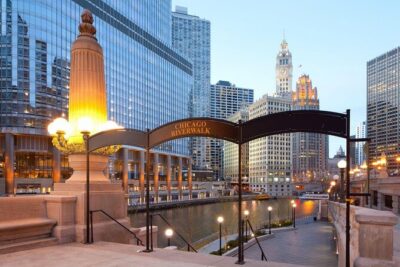
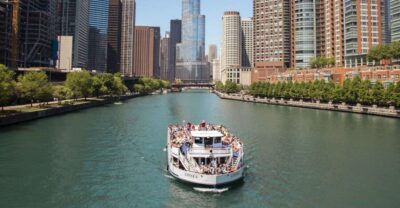
Chicago River: 1.5-Hour Guided Architecture Cruise
Read our review →
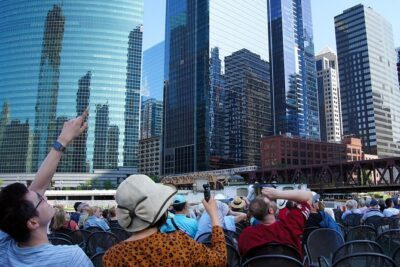
Chicago Architecture Center River Cruise aboard First Lady
Read our review →
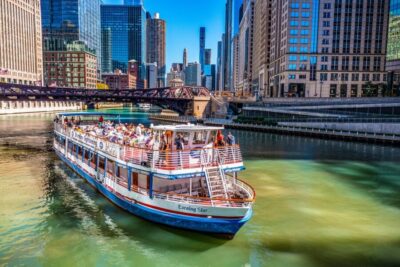
Architecture River Cruise Skip-the-Ticket Line
Read our review →